
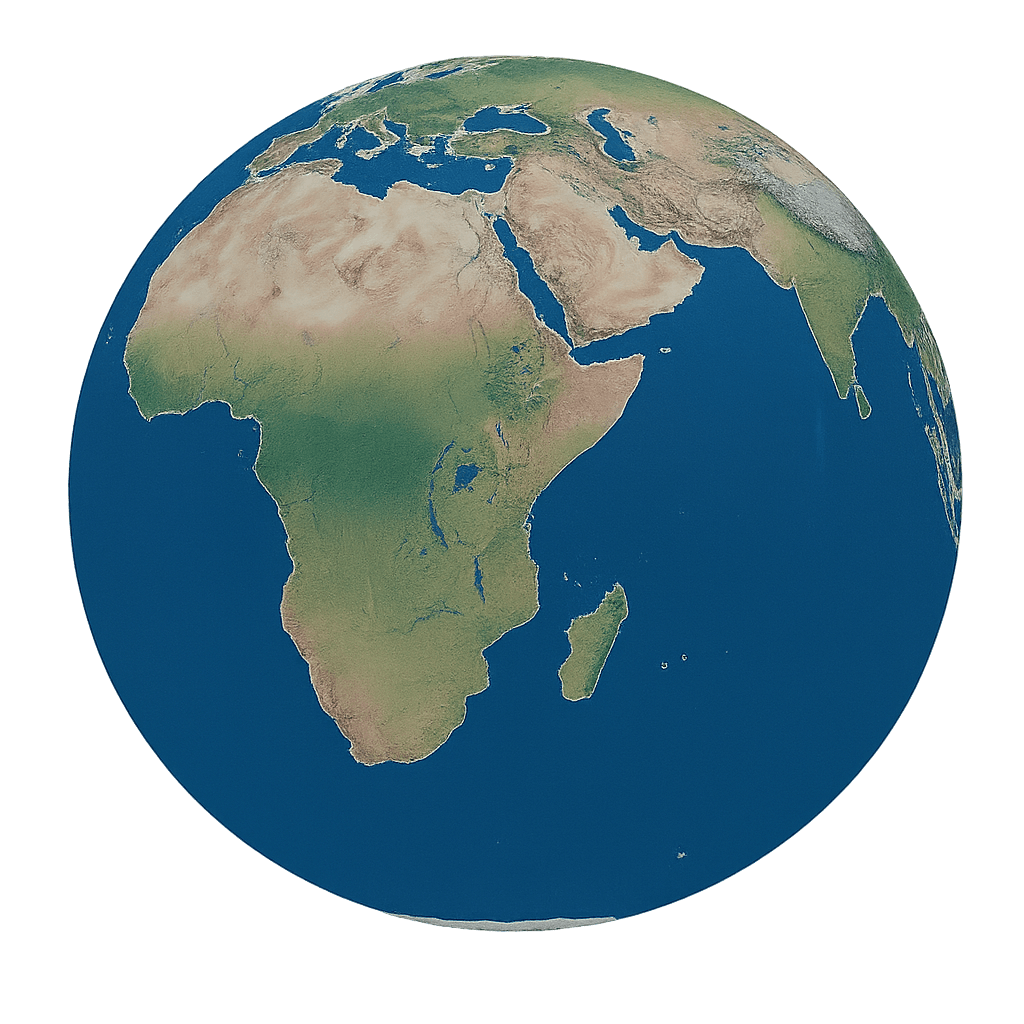
Tobacco Control: A new Lancet Global Health study using the Global Burden of Disease 2023 estimates chewing tobacco caused about 251,000 deaths worldwide in 2023, with roughly 84% of the toll concentrated in South Asia—and 241 million users aged 15+ reported globally. Public Health & Water Safety: The WHO reports cholera deaths rose 30% in 2025 to 7,870, the highest since 1999, even as reported cases fell; safe water, sanitation, hygiene, vaccination, and access to care are flagged as urgent priorities. Health Systems & Innovation: UNFPA appoints Ghanaian digital health leader Sydney Hushie as Chief of its Digital Centre of Excellence, including work that has supported maternal health supply delivery by medical drones in Madagascar. Climate & Health Risks: A South-West Indian Ocean climate outlook warns of multiple hazards (drought, flooding, heat, marine impacts) affecting agriculture, water, health, and fisheries, with Madagascar among participating countries. Madagascar Finance: The IMF approved the third and fourth reviews of Madagascar’s bailout, unlocking about $155 million amid heightened vulnerability after cyclones and political transition.
AGP Executive Report
Your go-to archive of top headlines, summarized for quick and easy reading.
Note: AI summary from news headlines; neutral sources weighted more to help reduce bias in the result. Feedback is welcome. Please let us know if you have any comments or suggestions about the AGP Executive Report.
IMF Support for Madagascar: The IMF approved the third and fourth reviews of Madagascar’s bailout, unlocking about $155 million to help the country amid political transition and cyclone-linked vulnerability. Cholera Alert: WHO reports cholera deaths rose 30% in 2025 to 7,870 (highest since 1999) even as reported cases fell, with most deaths concentrated in a handful of countries and many occurring outside health facilities. Diabetes Breakthrough in the Region: Mauritius is reported to be the first country to reverse the type 2 diabetes epidemic using the WHO-recommended 2-hour oral glucose tolerance test, offering a model for other nations. Tobacco Harm Still Rising: A Lancet Global Health study estimates chewing tobacco caused about 251,000 deaths in 2023, with roughly 84% in South Asia—highlighting a preventable health burden. Climate & Health Risks: A South-West Indian Ocean outlook warns of multiple hazards for Oct 2026–Mar 2027, including drought, flooding, extreme heat, and impacts on agriculture, water, and health.
Tobacco Control: A new Lancet Global Health study estimates chewing tobacco caused about 251,000 deaths worldwide in 2023, with use and harm concentrated in South Asia and little decline in users over 1990–2023—an urgent reminder for Madagascar’s public health push against smokeless tobacco. Cholera Watch: The WHO reports cholera deaths rose 30% in 2025 to 7,870, the highest since 1999, even as reported cases fell; the agency warns underreporting and notes many deaths occur outside health facilities, pointing to gaps in safe water, sanitation, vaccination, and timely care. Health & Society: A Reuters report says the IMF approved a $155 million payout for Madagascar’s bailout program, as the country faces vulnerability after political transition and cyclones—funding that could affect health system stability. Human Rights & Health: A feature highlights the terror faced by people with albinism in Madagascar, including attacks tied to stigma and violence.
IMF & Health Financing: The IMF approved the third and fourth reviews of Madagascar’s bailout, unlocking about $155 million, as the country faces political transition, cyclone fallout, and rising policy pressures. Cholera Watch: WHO reports cholera deaths rose 30% in 2025 to 7,870 (highest since 1999) even as cases fell, with 90% of reported cases/deaths concentrated in a handful of countries and many deaths occurring outside health facilities—an urgent reminder for water, sanitation, hygiene, vaccination, and faster care. Public Health Risk: A new study links chewing tobacco to roughly 250,000 deaths in 2023, showing use is stubbornly high and still drives major cancers and stroke. Madagascar Spotlight (Health & Safety): A report highlights the terror faced by people with albinism in Madagascar, including a violent attack on a family—underscoring the need for protection and health support. Food & Climate: Coverage notes Madagascar’s role in global vanilla supply and how cyclones and drought threaten farmers and livelihoods.

Cholera Alert: WHO reports cholera deaths jumped 30% in 2025 to 7,870, the highest since 1999, with 47 countries reporting 451,499 cases; the agency warns surveillance data likely underestimates the true burden and says Nigeria and six other countries account for about 90% of reported cases and deaths, urging investment in safe water, sanitation, hygiene, vaccination, and faster access to care. Global Health Policy: A Future Health/Abu Dhabi UNGA dialogue highlighted shifting health systems toward prevention, calling for population risk data, prevention financing, stronger delivery capacity, and trusted community-based services—Madagascar among participating countries. Madagascar Health & Safety: A report describes attacks targeting people with albinism in Madagascar, including a mother in Toliara whose child was taken during a violent raid, underscoring ongoing protection and justice needs. Nutrition & Food Resilience: Coverage notes Japan and WFP strengthening nutrition and farming in southern Madagascar, linking food support to local agricultural capacity.
Sports & Health: Nigeria’s Super Eagles face a fitness scare ahead of the 2027 AFCON qualifier in Guinea-Bissau, with forward George Ilenikhena listed as doubtful and reports of other players falling ill in camp—an early warning for teams where dehydration, travel fatigue, and infections can quickly derail performance. Human Rights & Health: A new report highlights terror faced by people with albinism in Madagascar, including an attack on a mother and her child in Toliara—underscoring the urgent need for protection, stigma reduction, and access to safe care. Global Health Policy: “Future Health” convened health leaders at UNGA 81, including Madagascar, pushing prevention-focused systems—population risk data, prevention financing, stronger delivery capacity, and trusted community care. Nutrition & Resilience: Japan and WFP strengthen nutrition and farming support in southern Madagascar, aiming to protect diets and livelihoods as climate shocks worsen food security. Environment & Food: Climate change is threatening Madagascar’s vanilla supply, with erratic weather and cyclones raising risks for one of the world’s key natural flavors.
Future Health at UNGA: Abu Dhabi’s Future Health convened health ministers and leaders in New York to push health systems toward prevention—using earlier risk detection, better financing, stronger delivery capacity, and trusted community-based care, with Madagascar among the participating countries. Climate & health risks: New reporting highlights how climate aid is often delivered as loans that raise public debt for the poorest nations, while climate shocks are also linked to worsening hunger and mortality risks across East and Southern Africa—an urgent backdrop for Madagascar’s own food and health security. Madagascar-linked science: A major global bat genome study says bats originated in Europe about 65 million years ago, reshaping the bat family tree and pointing to how traits like echolocation may have evolved—relevant for understanding zoonotic risk over the long term. Sports & wellbeing angle: Nigeria’s Super Eagles’ AFCON qualifier build-up includes player fitness concerns (including debutant George Ilenikhena being assessed) after their comeback win over Madagascar, underscoring how illness and recovery can affect performance and athlete health. Local labour strain: Workers at Madagascar’s Sodiat group sought clarity on pay after the company owner was arrested abroad, raising concerns about job security and benefits during disruption.
AFCON Qualifiers (Nigeria–Madagascar): Nigeria’s Super Eagles kicked off their 2027 AFCON campaign with a 2-1 comeback win over Madagascar in Uyo, with debutants George Ilenikhena and Moses Usor scoring after Madagascar took an early lead—setting up a quick turnaround for the next match against Guinea-Bissau. Sports Governance & Athlete Welfare: Nigeria’s NOC and NSC urged sports federations to strengthen good governance, accountability, and athlete welfare, including sports medicine seminars. Health Systems at UNGA: Abu Dhabi’s Future Health convened ministers and global leaders in New York, pushing a shift toward prevention—using population data, better financing, stronger delivery capacity, and trusted community-based systems (Madagascar among participants). Reproductive Health Funding: UNFPA and partners pledged over US$715 million to expand family planning and maternal health services and supplies, with Madagascar listed among contributing governments. Nutrition & Drought Response in Madagascar: Japan and WFP inaugurated solar-powered agricultural hubs and learning/nutrition rehabilitation centres in Betioky to support drought-affected communities and improve children’s nutrition. Wildlife & Health Link (Bats): A major genomic study places the origin of bats in Europe and notes Madagascar’s bat groups in the revised family tree—relevant for future research on immunity and disease resistance.
Global Health Policy: Future Health, backed by Abu Dhabi, convened ministers and leaders at UNGA81 in New York to push health systems toward prediction, prevention, and earlier care—highlighting population risk data, prevention financing, delivery capacity, and trusted community-focused services, with Madagascar among participating countries. Reproductive Health Funding: UNFPA and partners pledged over US$715m to expand family planning and maternal health supplies and services, with Madagascar listed among governments committing resources as aid declines threaten access to contraception and lifesaving care. Nutrition & Drought Response in Madagascar: Japan and WFP inaugurated solar-powered agricultural hubs and learning/nutrition rehabilitation centres in Betioky to support drought-affected communities, improve children’s nutrition, and strengthen resilience. Climate & Food Security Risk: Reporting on the wider Indian Ocean region warns climate change is driving food insecurity toward an existential threat for small island states, including Madagascar. Health-Adjacent Science: A major bat genome study suggests bats originated in Europe ~65 million years ago and reshapes the bat family tree—useful for understanding immunity and disease resistance over the long run.
Global Health Policy: Abu Dhabi’s Future Health convened ministers and leaders at UNGA 81 in New York, pushing health systems to shift from reactive care to prediction, prevention, and earlier intervention—highlighting needs for population risk data, prevention financing, stronger delivery capacity, and trusted community-based services, with Madagascar among participating countries. AI for Disease Control: The same UNGA week saw an Abu Dhabi institute (Glide) launch AI training for public health leaders and a partnership aimed at helping malaria-hit countries use new technologies for surveillance and smarter use of limited budgets. Reproductive Health Funding: UNFPA and partners pledged over US$715 million for family planning and maternal health, including commitments involving Madagascar, as donors face funding declines that threaten contraception and lifesaving care. Nutrition & Drought Response (Madagascar): Japan and WFP inaugurated solar-powered agricultural hubs and learning/nutrition centers in Betioky to support drought-affected communities and improve children’s nutrition. Health-Linked Climate Risk: Coverage also flags El Niño-driven hunger risks across East and Southern Africa, underscoring the health stakes of climate finance and resilience.
Global Health Diplomacy: Future Health convened ministers and leaders at UNGA81, including Madagascar, pushing health systems toward prevention with four priorities: risk data, prevention financing, delivery capacity, and trusted inclusive services. Reproductive Health Funding: UNFPA and partners pledged over US$715m for family planning and maternal health, with Madagascar among participating governments, aiming to protect access amid funding cuts. Nutrition & Drought Response: Japan and WFP inaugurated solar-powered agricultural hubs and Learning and Nutritional Rehabilitation Centres in Betioky to support drought-affected communities and improve children’s nutrition. Health Emergency: In Ifanadiana (SE Madagascar), measles and malaria deaths rose to 37, mostly children; authorities say the situation is now under control after vaccination campaigns and protective support. Climate & Food Security: Reports warn Super El Niño could drive severe hunger across East and Southern Africa, with Madagascar included among at-risk countries. Health & Environment Research: A new study links introduced livestock spread on Madagascar 1,200 years ago to forest loss and declines in large native herbivores, highlighting human-driven ecosystem change.
Reproductive Health Funding: Governments and partners pledged over US$715 million to expand lifesaving reproductive health services, supplies, and family planning at UNGA81, with Madagascar among participating countries—aimed at protecting women and girls as international aid declines. Nutrition & Drought Response: Japan and WFP inaugurated solar-powered agricultural hubs and Learning and Nutritional Rehabilitation Centres in Betioky to support drought-affected communities, boost food production, and improve children’s nutrition. Public Health Emergency: In southeastern Madagascar’s Ifanadiana District, measles and malaria deaths rose to 37, mostly children; authorities report the situation is under control after vaccination campaigns and protective materials were deployed. Climate & Food Security Risk: A new analysis warns Super El Niño could drive severe hunger across East and Southern Africa, including Madagascar, with urgent action needed to prevent more child deaths. Health-Relevant Science: A major genomic study in Nature suggests bats originated in Europe ~65 million years ago and that echolocation evolved early—research that may eventually inform studies on immunity and disease resistance.
Measles and malaria outbreak: In Ifanadiana District, southeastern Madagascar, the death toll from measles and malaria has risen to 37, with children making up about 75% of fatalities. Health authorities say the situation is now under control, with vaccination campaigns launched and protective materials distributed, though remoteness has slowed access to affected communities. Reproductive health funding: At UNGA81, governments and partners pledged over US$715 million to expand lifesaving reproductive health services, including family planning and maternal care; Madagascar is listed among participating governments. Nutrition and drought response: Japan and WFP inaugurated solar-powered agricultural hubs and Learning and Nutritional Rehabilitation Centres in Betioky to support drought-affected communities, improve children’s nutrition, and strengthen resilience. Climate shock risk to health: New warnings link the intensifying Super El Niño to major hunger and health impacts across East and Southern Africa, including projected child acute hunger in the coming months. Livestock and biodiversity health link: A new study suggests introduced livestock spread across Madagascar about 1,200 years ago alongside forest loss and declines in large native herbivores—highlighting how environmental change can affect long-term food and health systems.
Reproductive Health Funding: UNFPA says governments and partners pledged over US$715 million to expand family planning and maternal health services and supplies, with Madagascar among participating countries—aimed at protecting access as international aid declines. Measles and Malaria Alert: In Ifanadiana District (southeast Madagascar), 37 deaths linked to measles and malaria have been reported, mostly among children; vaccination campaigns and protective materials are underway as the situation is said to be under control. Nutrition and Drought Response: Japan and WFP inaugurated solar-powered agricultural hubs and learning/nutritional rehabilitation centres in Betioky to support drought-affected communities, improve children’s nutrition, and strengthen resilience. El Niño Hunger Risk: A new analysis warns that Super El Niño could push millions of children in East and Southern Africa into acute hunger by early 2027, with Madagascar included in the at-risk group. Climate Finance for Health Systems: Coverage highlights growing interest in pre-arranged climate finance so governments can respond to disasters quickly without draining budgets meant for health and development.
Reproductive Health Funding Boost: UNFPA says governments and partners pledged over US$715 million to expand family planning and maternal health supplies and services, including a UK package of £254 million and commitments from Madagascar and other countries to protect women and newborns as aid declines threaten access. Nutrition & Drought Response: Japan and WFP inaugurated solar-powered agricultural hubs and Learning and Nutritional Rehabilitation Centres in Betioky, supporting drought-affected communities with food production and child nutrition. Measles and Malaria Alert (SE Madagascar): In Ifanadiana District, deaths from measles and malaria rose to 37, mostly children; health authorities report the situation is under control after vaccination campaigns and protective support. Climate Shock Risk: New analysis warns Super El Niño could drive major hunger and deaths across East and Southern Africa, with Madagascar included among at-risk countries. Ancient Livestock, Modern Health Links: Research suggests introduced livestock spread across Madagascar about 1,200 years ago alongside forest loss and declines in large native herbivores—an environmental warning that can affect food systems and livelihoods. Anti-Corruption Court Case: A trial in Antananarivo continues over alleged misuse involving five Boeing aircraft registered in Madagascar and later flown to Iran, with businessman Mamy Ravatomanga among those charged.
Maternal & child health funding: More than £540m has been pledged for reproductive and maternal healthcare, with the UK contributing £254m to expand contraception access and postpartum bleeding detection and treatment across dozens of countries. Nutrition & drought resilience in Madagascar: Japan and the UN World Food Programme inaugurated solar-powered agricultural hubs and Learning and Nutritional Rehabilitation Centres in Betioky, funded by JPY 300m, to support drought-affected families and improve children’s nutrition. Measles and malaria outbreak response: In southeastern Madagascar’s Ifanadiana District, 37 deaths have been reported from measles and malaria, mostly among children; vaccination campaigns and protective supplies have been rolled out and the situation is said to be under control. Climate shock and hunger risk: New analysis warns that Super El Niño could drive acute hunger for millions of children across East and Southern Africa, with Madagascar included among at-risk countries. Health systems under pressure: A separate report highlights growing interest in pre-arranged climate finance so governments can respond to disasters without diverting money from health and other services. Sports (health-adjacent): Nigeria’s Victor Osimhen is ruled out of AFCON qualifiers due to injury, while Madagascar’s Barea prepare to face Nigeria in Uyo.
Measles & malaria outbreak: In southeastern Madagascar’s Ifanadiana District, the death toll from measles and malaria has risen to 37, with children making up about 75% of fatalities; health authorities say the situation is now under control after vaccination campaigns and protective supplies were rolled out. Climate shock and hunger risk: A new analysis warns that Super El Niño could push about 8 million children in East and Southern Africa into acute hunger by early 2027, with Madagascar included among the countries at risk. Health security financing: Coverage highlights growing interest in “pre-arranged” climate finance—funds secured before disasters hit—so governments can respond quickly without draining health and development budgets. Public health capacity in disasters: Taiwan’s President Lai pledged deeper cooperation with Eswatini on disaster preparedness, including sharing prevention tech and public health support—relevant as the region braces for extreme weather. Aviation corruption case: Madagascar’s anti-corruption court hears a case involving temporary Malagasy aircraft registrations linked to Boeing planes later flown to Iran, with health-sector implications indirect through governance and oversight.
Measles & Malaria Alert: In southeastern Madagascar’s Ifanadiana District, the combined measles and malaria death toll has climbed to 37, with children making up about 75% of fatalities; health authorities say the situation is now under control after vaccination campaigns and protective supplies, though remoteness slowed outreach. Super El Niño Hunger Risk: Scientists warn the “Super El Niño” could drive 451,000 deaths and push about 8 million children in East and Southern Africa into acute hunger by early 2027, including Madagascar among the countries at risk. Climate Finance Push: A new focus on pre-arranged climate funding is gaining traction across Africa, aiming to ensure money is ready before disasters—so health and other services aren’t repeatedly raided during recovery. Aviation Corruption Case: In Antananarivo, a major anti-corruption trial continues over five Boeing aircraft routed to Iran; wealthy businessman Mamy Ravatomanga faces charges, with the case adjourned to Oct. 27. Public Health Diplomacy: Taiwan’s President Lai pledged deeper cooperation with Eswatini on disaster preparedness and public health—sharing prevention tech and rescue experience under the World Alliance for Disaster Management.
Measles & Malaria Outbreak Response: In southeastern Madagascar’s Ifanadiana District, the combined death toll from measles and malaria has climbed to 37, with children making up about 75% of fatalities; health authorities say the situation is now under control after launching vaccination campaigns against measles and distributing protective materials, though remote areas slowed access to care. Public Health Preparedness: Taiwan’s President William Lai pledged deeper cooperation with Eswatini on disaster management, including sharing prevention technology and disaster response and rescue experience, with public health also on the agenda. Community Health Access Model: The Colors and UNFPA launched “Fragrance for Impact,” linking the perfume industry to UNFPA programs in raw-material territories; the first test site is the Comoros, where mobile clinics support essential health services for women and youth. Wellness & Lifestyle: A Seychelles “Clean Shores Run” promoted healthy, active living alongside coastal cleanup efforts, marking International Coastal Cleanup Day.
AFCON 2027 Qualifiers (Health angle): Nigeria’s Victor Osimhen has been ruled out of the opening qualifiers against Madagascar and Guinea-Bissau due to a lingering muscle strain/groin issue, with Taiwo Awoniyi called up—another reminder that injuries and recovery timelines can quickly reshape team health plans. Madagascar Team Update: Madagascar’s Barea arrived in Uyo ahead of the Sept. 25 opener, preparing for a tough start without any direct injury news in the reports—still, the match comes as regional squads manage fitness and travel demands. Public Health Diplomacy: Taiwan’s President Lai Ching-te met Eswatini’s deputy prime minister to deepen cooperation on disaster management, public health, and talent development, with Madagascar mentioned among countries that reportedly denied airspace for a chartered visit—highlighting how regional logistics can affect health and emergency response planning. Air & Health Awareness: A new piece argues that air pollution needs to be treated seriously as a health issue rooted in how the atmosphere works, not just visible smoke.
Sign up for:
Madagascar Health Press
The daily local news briefing you can trust. Every day. Subscribe now.
Check Your Email!
We sent a one-time activation link to: .
Confirm it's you by clicking the email link.
If the email is not in your inbox, check spam or try again.
Welcome back!
is already signed up. Check your inbox for updates.