
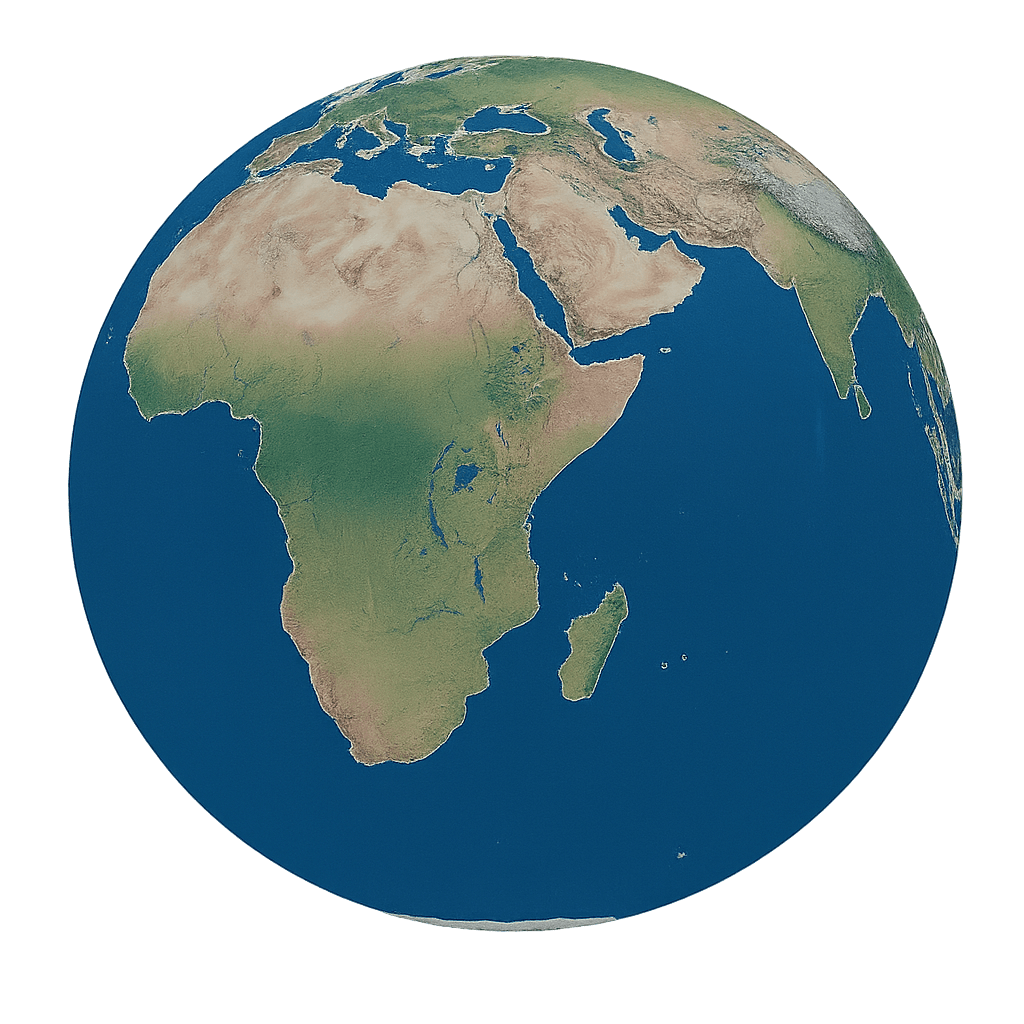
Mpox Watch: WHO reports 11 African countries with active mpox transmission in six weeks (6 July–16 Aug 2026), totaling 1,153 confirmed cases and 7 deaths; Madagascar leads with 785 cases, and WHO warns figures may be underestimated due to reporting delays and weaker surveillance. Health Systems & Water: WHO data highlights nearly 1 billion people still rely on healthcare facilities without clean water—an urgent reminder that infection control starts with basic services. Local Wellness & Activity: Seychelles’ Clean Shores Run (5 km) promoted healthy, active lifestyles alongside coastal cleanup, showing how community sports can support public health and environmental awareness. Care & Recovery: A rare medical case describes jaw joint dislocation after seizure activity following brain aneurysm surgery, underscoring the need for fast recognition and treatment of unusual complications. Nutrition & Plants: A spotlight on Asima Chatterjee’s phytochemistry work links plant-based research to anti-epileptic and anti-malarial drug development, relevant for future local medicine and nutrition studies.
AGP Executive Report
Your go-to archive of top headlines, summarized for quick and easy reading.
Note: AI summary from news headlines; neutral sources weighted more to help reduce bias in the result. Feedback is welcome. Please let us know if you have any comments or suggestions about the AGP Executive Report.
Mpox Update (Madagascar): WHO reports 11 African countries with active mpox transmission in late July–mid August 2026, with Madagascar leading at 785 cases; the agency warns figures may be undercounted due to reporting delays and reduced surveillance. Public Health Access: WHO also highlights that nearly one billion people still rely on healthcare facilities without clean water, a major barrier to safe care. Sports & Health (Injury Watch): Nigeria’s AFCON qualifiers are reshuffling due to injuries: Victor Osimhen is ruled out for matches vs Madagascar and Guinea-Bissau, while Taiwo Awoniyi is called up as replacement; other squad updates include Frank Onyeka back in contention. Wellness & Activity: Seychelles’ Clean Shores Run promoted healthy, active lifestyles alongside coastal cleanup, with participants completing a 5 km course. Health-Related Case Report: A rare seizure complication after brain aneurysm surgery is linked to jaw joint dislocation, stressing fast recognition and treatment.
Mpox Watch: WHO reports 11 African countries with active mpox transmission (1,153 confirmed cases, 7 deaths) in the six weeks to 16 Aug 2026, with Madagascar leading at 785 cases; WHO warns figures may be undercounted due to reporting delays and weaker surveillance. AFCON Health Angle: Nigeria’s Super Eagles will face Madagascar and Guinea-Bissau without Victor Osimhen after a right adductor/groin muscle strain; Taiwo Awoniyi is called up as Osimhen continues rehabilitation, while other squad updates include Frank Onyeka returning and Tolu Arokodare’s fitness concerns after a fever. Community Fitness: Seychelles’ Clean Shores Run (5km) drew 34 participants and promoted healthy, active lifestyles alongside coastal cleanup efforts. Care & Access: A medical case report highlights rare jaw dislocation after seizure complications following brain aneurysm surgery—doctors stress fast recognition and treatment. Sports Injury News: Ajax says Arokodare was sidelined by illness (fever), adding another fitness uncertainty ahead of Nigeria’s qualifiers.
Mpox Watch: WHO reports 11 African countries had active mpox transmission between 6 July and 16 August 2026, with 1,153 confirmed cases and seven deaths; Madagascar leads with 785 cases, followed by Angola (184), Kenya (94), DRC (41) and Cameroon (28), while WHO warns figures may be underestimated due to reporting delays and reduced surveillance. Local Health Risk: WHO also says the global mpox risk remains moderate, but Africa accounts for about 75% of July cases, with transmission often linked to sexual spread, then household and community outbreaks. Care Access & Wellness: A Seychelles “Clean Shores Run” in Roche Caiman drew 34 participants for a 5 km coastal cleanup tied to International Coastal Cleanup Day, promoting active lifestyles and environmental awareness. Health Systems & Delivery: Côte d’Ivoire is expanding drone deliveries for medical supplies via a Zipline partnership, adding 10 storage and distribution centers to reach hard-to-access health facilities with blood products and other medical goods. Injury & Recovery (Sports Medicine): Nigeria’s AFCON qualifiers face uncertainty as Victor Osimhen is ruled out after a groin injury, while other squad updates highlight how quickly fitness can change match availability.

Mpox Watch (Madagascar): WHO reports 11 African countries with active mpox transmission (6 Jul–16 Aug 2026), totaling 1,153 confirmed cases and 7 deaths; Madagascar leads with 785 cases, while WHO warns figures may be underestimated due to reporting delays and reduced surveillance. Water & Care Safety: New WHO/JMP estimates say 907 million people relied on healthcare facilities without water in 2025, 936 million without sanitation, and 652 million without hygiene services—highlighting preventable infection risks for patients and health workers. Health Tech Logistics (Region): Côte d’Ivoire is expanding drone delivery for medical supplies via Zipline, adding storage and distribution centers to reach hard-to-access facilities with blood products and other essentials. Community Wellness (Seychelles): The Clean Shores Run in Roche Caiman drew 34 participants for a 5km course, linking physical activity with coastal cleanup and environmental awareness.
Mpox Watch: WHO reports 11 African countries had active mpox transmission between July 6 and Aug. 16, with 1,153 confirmed cases and seven deaths; Madagascar led with 785 cases, and WHO warns figures may be underestimated due to reporting delays and weaker surveillance. Water for Health: New WHO/JMP estimates say 907 million people relied on healthcare facilities without water in 2025, alongside huge gaps in sanitation and hygiene—raising infection-control risks for patients and health workers. Madagascar in the Spotlight: WHO notes Madagascar is among the highest mpox-hit countries in the current outbreak period, keeping the island’s public health response in focus. Health System Risk: The mpox update also highlights spread patterns tied to close contact, including household and community outbreaks, underlining the need for prevention and care access. Local Health Context: With clean water and hygiene still missing in many facilities, Madagascar’s health sector faces a double pressure: outbreak control and basic facility standards.
Mpox Watch: WHO reports 11 African countries had active mpox transmission between 6 July and 16 August 2026, with 1,153 confirmed cases and 7 deaths; Madagascar leads with 785 cases, and WHO warns figures may be underestimated due to reporting delays and reduced surveillance. Water & Health Services: New WHO/JMP estimates say 907 million people relied on healthcare facilities without water in 2025, 936 million without sanitation, and 652 million without hygiene services—raising preventable risks for patients and health workers. Local Health Logistics: Côte d’Ivoire is expanding drone deliveries for medical supplies via a Zipline partnership, aiming to reach hard-to-access areas with strategic medical and blood products. Injury & Care Access (Sports): Nigeria’s AFCON 2027 qualifiers vs Madagascar and Guinea-Bissau are complicated by injury updates around key striker Victor Osimhen, with fitness still uncertain. Madagascar Link (Wildlife): A week of coverage also included a Madagascar-related health angle: a rare medical case describing jaw dislocation after seizure complications, underscoring the need for quick recognition and treatment.
Mpox Watch: WHO reports 11 African countries with active mpox transmission (6 Jul–16 Aug 2026), with Madagascar leading at 785 cases and 7 deaths—WHO warns figures may be undercounted due to reporting delays and weaker surveillance. Water & Health Access: New WHO/JMP estimates say hundreds of millions still rely on healthcare facilities without clean water, sanitation, or hygiene—an urgent reminder that infection control and safe care start with basic services. Local Health Capacity: Lesotho received M2.5 million in equipment to strengthen pandemic preparedness, highlighting how regional readiness depends on practical supplies, not just plans. Madagascar in the Spotlight: A historic 8,800km Indian Ocean row ended near Madagascar after a rudder failure, with a dramatic rescue—an indirect reminder of how remote conditions can quickly become health risks. Sports & Health Signals: Nigeria’s AFCON qualifiers vs Madagascar are in focus as players return from injuries, including Onyeka’s hand issue and Osimhen’s groin strain—fitness updates can affect team health and travel planning.
Mpox Watch: WHO reports 11 African countries had active mpox transmission between 6 July and 16 August 2026, with 1,153 confirmed cases and 7 deaths; Madagascar leads with 785 cases, followed by Angola (184), Kenya (94), DRC (41) and Cameroon (28), while WHO warns figures may be undercounted due to reporting delays and weaker surveillance. Water & Health Safety: New WHO/JMP data says 907 million people still rely on healthcare facilities without clean water (and 936 million without sanitation), leaving patients and health workers exposed to preventable risks—an urgent issue for infection control and safe maternity and other care. Local Health Systems: WHO and the Pandemic Fund handed Lesotho medical and ICT equipment to speed outbreak detection and response, including stethoscopes and ECG machines plus laptops/tablets and connectivity tools. Clinical Caution: A published case study describes rare jaw dislocation after focal seizures in a patient recovering from ruptured brain aneurysm surgery, stressing fast recognition and treatment of this under-reported complication. Madagascar Link: The mpox update places Madagascar at the center of the current regional burden.
Mpox Watch: WHO reports 11 African countries had active mpox transmission between 6 July and 16 August 2026, with 1,153 confirmed cases and 7 deaths; Madagascar leads with 785 cases, followed by Angola (184), Kenya (94), DRC (41) and Cameroon (28), while WHO warns figures may be undercounted due to reporting delays and weaker surveillance. Water & Care Safety: New WHO/JMP estimates say 907 million people relied on healthcare facilities without water in 2025, 936 million without sanitation, and 652 million without hygiene services—highlighting preventable risks for patients and health workers. Health System Boost (Southern Africa): WHO and the Pandemic Fund handed Lesotho medical and ICT equipment worth about M2.5 million to strengthen disease surveillance and response, including glucose monitors, stethoscopes, ECG machines, and connectivity tools. Local Health Tech in the Region: Côte d’Ivoire is expanding drone deliveries for medical supplies via a Zipline partnership, aiming to reach hard-to-access areas with faster delivery of strategic health products.
Mpox Watch: WHO says the mpox public health risk remains moderate, but Africa carries the burden: 11 African countries had active transmission (6 July–16 Aug), with 1,153 confirmed cases and 7 deaths; Madagascar led with 785 cases. Water & Care Safety: New WHO/JMP estimates warn that in 2025, 907 million people relied on healthcare facilities without water, 936 million without sanitation, and 652 million without hygiene—raising preventable risks for patients and health workers. Pandemic Readiness Boost: WHO and the Pandemic Fund handed Lesotho medical and ICT equipment (about M2.5m) to strengthen disease surveillance and faster response, including stethoscopes and blood glucose monitors plus laptops/tablets and connectivity tools. Health Logistics by Drone: Côte d’Ivoire is expanding drone delivery for medical supplies via a Zipline partnership, aiming to reach hard-to-reach facilities faster as Africa’s drone delivery market grows. AFCON Fitness Headlines: Nigeria’s AFCON 2027 qualifiers vs Madagascar are looming as Victor Osimhen’s groin injury and Tolu Arokodare’s fever raise fresh selection doubts for the Super Eagles.
Mpox Watch: WHO reports Africa drove the mpox outbreak in July, with 11 African countries showing active transmission (1,153 confirmed cases and 7 deaths between 6 July and 16 August), and Africa accounting for about 75% of global cases; Madagascar, Angola, Kenya, the DRC and Cameroon recorded the highest counts, while WHO warns figures may be underestimated due to reporting delays and weaker surveillance. Clean Water for Care: New WHO/JMP estimates say 907 million people relied on healthcare facilities without water in 2025, with huge gaps also in sanitation and hygiene—an avoidable risk for patients and health workers that calls for urgent action. Pandemic Readiness Boost: WHO and the Pandemic Fund handed Lesotho medical and ICT equipment (including glucose monitors, stethoscopes, ECG machines, laptops/tablets and connectivity tools) to strengthen early detection and response. Health Tech Logistics: Côte d’Ivoire is expanding drone delivery for medical supplies via a Zipline partnership, aiming to reach hard-to-access facilities faster. Madagascar Energy & Health Context: A spotlight on Madagascar’s severe electricity crisis notes heavy reliance on costly diesel generation and the strain this puts on services.
Mpox Watch: WHO says the mpox public health risk is still “moderate,” but Africa is carrying most of the burden—about 75% of July cases globally, with 11 African countries reporting 1,153 confirmed cases and 7 deaths between July 6 and Aug. 16; Madagascar led with 785 cases, followed by Angola (184), Kenya (94), DRC (41) and Cameroon (28), while WHO warns numbers may be underestimated due to reporting delays and weaker surveillance. Clean Water for Care: New WHO and JMP estimates show huge gaps in water services at health facilities—907 million people relied on facilities without water in 2025, 936 million without sanitation, and 652 million without hygiene services—leaving patients and health workers exposed to preventable risks. Pandemic Readiness Boost (Lesotho): WHO and the Pandemic Fund handed Lesotho about M2.5 million worth of medical and ICT equipment to strengthen disease surveillance and faster outbreak response, including glucose monitors, stethoscopes, ECG machines, and connectivity tools. Health Systems & Delivery (Côte d’Ivoire): Côte d’Ivoire is expanding drone delivery for medical supplies via a public-private partnership, aiming to speed access to strategic products like blood products for hard-to-reach facilities.
Mpox Watch: WHO says the global mpox risk remains moderate, but Africa carries the burden—about 75% of confirmed cases reported in July, with Madagascar, Angola, Kenya, the DRC and Cameroon among the highest. Clean Water for Care: New WHO data shows 907 million people still rely on healthcare facilities without clean water, alongside major gaps in sanitation and hygiene—an avoidable risk for patients and health workers. Drone Delivery for Health Supplies: Côte d’Ivoire is expanding drone deliveries for medical products, adding storage and distribution centers to reach hard-to-reach facilities faster. Pandemic Readiness Boost: WHO and the Pandemic Fund handed Lesotho medical and ICT equipment to strengthen disease surveillance and faster outbreak response. Health System Reality Check: The mpox update and the water-in-facilities findings point to the same need—stronger prevention, safer facilities, and faster response where outbreaks and basic services both fall short.
Mpox Update: WHO says the global mpox risk from the ongoing multi-country outbreak is still “moderate,” with Africa driving the numbers—about 75% of July cases. In July, 32 countries reported 1,370 confirmed cases and seven deaths; in Africa, 11 countries had active transmission, with Madagascar, Angola, Kenya, the DRC and Cameroon among the highest. Injury & Care Access: A bus crash in Antananarivo’s Ambohidahy Tunnel left 2 dead and 9 seriously injured; officials say victims received first aid and the bus was impounded while investigators look into a reported brake failure. Pandemic Readiness (Regional): WHO and the Pandemic Fund handed Lesotho M2.5 million in medical and ICT equipment to strengthen early detection and response, including stethoscopes, ECG machines, glucose monitors, laptops/tablets, and connectivity tools. Malaria Context: A malaria-focused analysis highlights rising cases and notes Madagascar among countries driving recent increases, linking spread to climate shifts that move mosquitoes into new areas.
Road Safety in Antananarivo: A bus crash in the Ambohidahy Tunnel at about 14:30 local time left 2 dead and 9 seriously injured, with officials saying brake failure is suspected and an investigation is underway. Malaria Fight: A World Malaria Day piece highlights rising malaria pressure across Africa, naming Madagascar among countries driving recent increases, and points to climate-linked mosquito spread. Traditional Medicine & Drug Roots: A roundup notes growing interest in herbal and complementary care, including WHO-backed work and reminders that many medicines trace back to plants, with Madagascar periwinkle cited. Health System Boost (Regional): WHO and the Pandemic Fund handed Lesotho medical and ICT equipment to strengthen disease surveillance and faster outbreak response. Climate Services for Nature Projects: Researchers warn that climate information often doesn’t match what communities in Madagascar and elsewhere need to make practical restoration decisions. El Niño Food & Health Risks: Coverage flags worsening hunger and health impacts as El Niño strengthens, with early action urged.
Pandemic Readiness Boost: WHO and the Pandemic Fund handed Lesotho medical and ICT equipment worth about M2.5 million to strengthen disease surveillance and faster outbreak response, including blood glucose monitors, stethoscopes, ECG machines, laptops/tablets, modems, and specimen transport materials. Climate & Health Watch: A new study warns climate services often don’t match what communities in places like Madagascar actually need, with only part of users’ priorities overlapping what’s available—raising the risk that early warnings won’t translate into safer decisions. Malaria Alert for the Region: WHO-linked reporting highlights rising malaria cases and deaths, noting Madagascar among countries driving recent increases and pointing to climate-driven shifts in mosquito spread. Road Safety in Antananarivo: Two people died and nine were seriously injured after a bus hit pedestrians in the Ambohidahy Tunnel; authorities say the brake failure is under investigation.
Pandemic Readiness Boost (Madagascar region): WHO and the Pandemic Fund handed Lesotho medical and ICT equipment worth about M2.5 million to speed disease detection and response, including laptops, tablets, modems, blood glucose machines, stethoscopes, ECG units, and specimen transport materials—an example of how faster surveillance can protect health systems. Climate Services Gap (Madagascar included): A Nature study interviewing 530 people across South Africa, Ghana, Kenya, Tanzania, and Madagascar found many climate services don’t match what communities say they need for nature-based solutions, with only about 39% to 53% of priorities overlapping what’s available. Malaria Watch (Madagascar named): A malaria-focused analysis notes cases and deaths are rising globally and highlights Madagascar among countries driving the increase, warning that climate shifts are moving malaria-carrying mosquitoes into new areas. Road Safety (Antananarivo): A bus crash in Antananarivo’s Ambohidahy Tunnel left 2 dead and 9 seriously injured; officials say a brake failure is suspected and an investigation will determine causes and responsibility. El Niño Health Risks: Reporting on a strengthening El Niño points to mixed impacts across Africa—wetter areas facing floods and drought-prone regions facing hunger and water stress—conditions that can quickly affect health.
Public Health & Safety in Antananarivo: A bus crash in the Ambohidahy Tunnel in downtown Antananarivo left 2 people dead and 9 seriously injured, with officials confirming the victims were treated after first aid and police investigating a reported brake failure. Malaria Control Focus: A new public-health analysis highlights how malaria keeps rising in parts of Africa, noting Madagascar among countries driving global increases and stressing that malaria prevention depends on understanding the mosquito that spreads it. One Health Surveillance Boost (Regional): WHO and the Pandemic Fund handed Lesotho medical and information-communication equipment to strengthen disease surveillance, response, and healthcare delivery, including glucose monitoring systems, stethoscopes, ECG machines, and connectivity tools. Climate & Health Risk for Africa: Coverage on El Niño warns of mixed impacts—drought in some regions and heavy rains and flooding in others—raising risks for food, water, and health across the continent. Health Systems & Access to Care: A study on climate services says many people still can’t use the climate information they receive, including in Madagascar, pointing to a gap between what communities need and what services deliver. Health-Related Sports Injury (Nigeria): Victor Osimhen’s groin injury is expected to keep him sidelined for key matches, including Nigeria’s AFCON 2027 qualifiers against Madagascar, potentially affecting team readiness.
Road Safety in Antananarivo: A bus crash in the Ambohidahy Tunnel in downtown Antananarivo left 2 people dead and 9 seriously injured, after a reported brake failure sent the vehicle into pedestrians; authorities say an investigation will determine the exact cause and liability. Malaria Fight in Madagascar: A new public-health analysis highlights that Madagascar helped drive a rise in malaria cases and deaths, warning that climate shifts are moving malaria-carrying mosquitoes into new areas and making the fight harder. One Health Surveillance Boost (Regional): WHO and the Pandemic Fund handed Lesotho medical and information communication equipment worth about M2.5 million to strengthen disease surveillance and response, including glucose monitors, stethoscopes, ECG machines, and connectivity tools. Climate, Health, and Food Security: Coverage on El Niño stresses health risks tied to drought, storms, and flooding across Africa, with knock-on effects for water, food production, and livelihoods. Health Systems and Access to Care: A study on climate services notes a gap between what communities need and what climate information is delivering, including findings from Madagascar and other African countries. Biodiversity Funding for Healthier Communities: A Kenya-led biodiversity financing initiative (with Madagascar included) aims to mobilize private capital for conservation, linking healthier ecosystems to long-term community wellbeing.
Sign up for:
Madagascar Health Press
The daily local news briefing you can trust. Every day. Subscribe now.
Check Your Email!
We sent a one-time activation link to: .
Confirm it's you by clicking the email link.
If the email is not in your inbox, check spam or try again.
Welcome back!
is already signed up. Check your inbox for updates.